




The Blizzard Shook Rhode Island. Google Shook Rankings.
In February 2026, Rhode Island experienced one of the biggest snowfalls in state history. Roads changed overnight. Schedules shifted. Normal routines stopped.
At the same time, something similar happened online.
While we were digging out of snow, Google had already recalibrated search rankings in a major way with its December 2025 Core Update.
- If your traffic moved.
- If leads felt inconsistent.
- If rankings shifted.
- You’re not imagining it.
So moving forward, I’m grading every major Google update using a simple framework:
How much did it actually impact rankings?
Not headlines. Not panic. Real measurable movement.
Google Update Impact Scale
Here’s how I’m grading impact:
5/5 – Major Ranking Disruption
Widespread volatility across industries. Big winners. Big losers.
4/5 – Strong Impact
Noticeable ranking shifts for many businesses.
3/5 – Moderate Adjustment
Selective changes. Mostly refinements.
2/5 – Minor Movement
Small adjustments. Limited ranking swings.
1/5 – Low Impact
Very little measurable change.
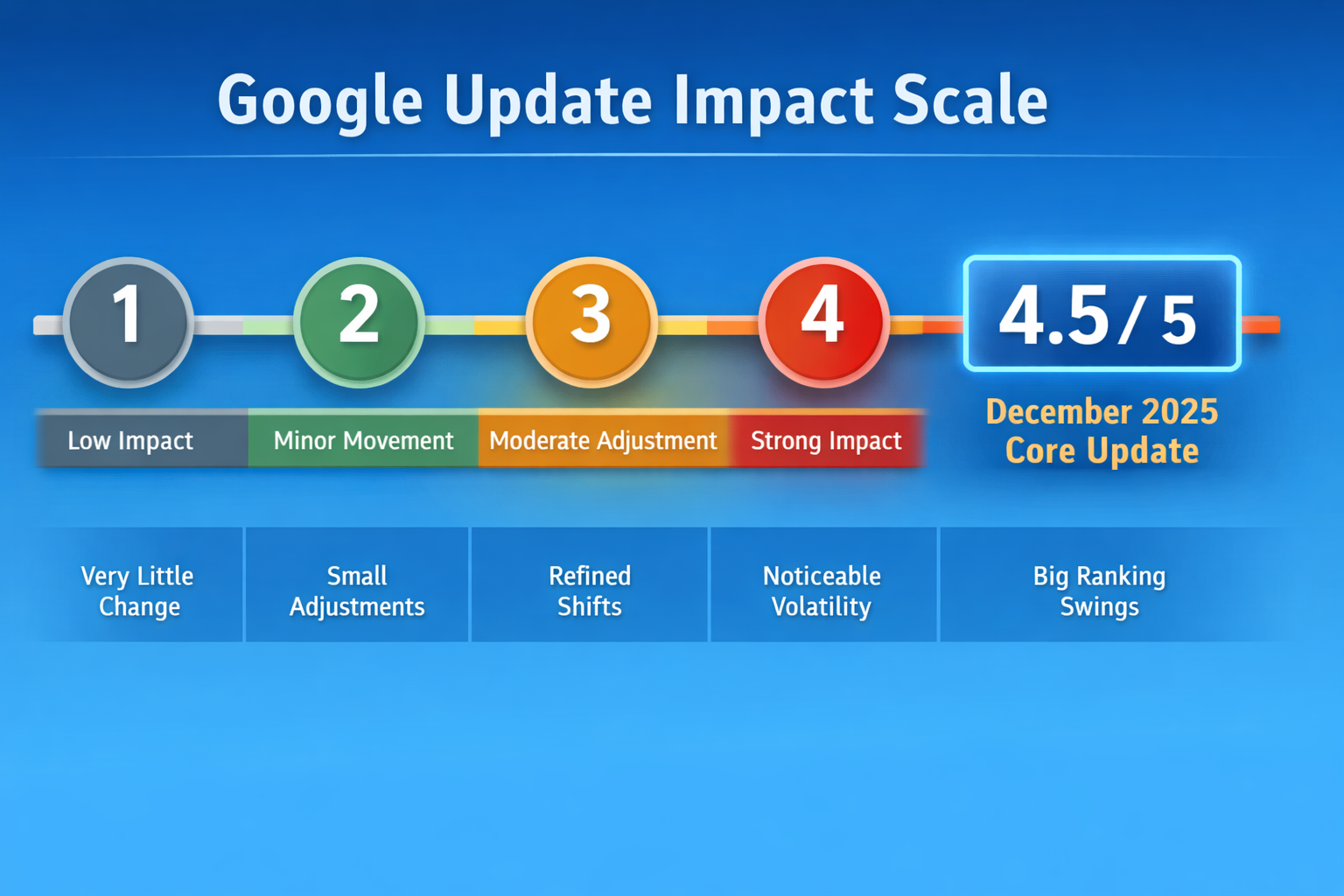
December 2025 Core Update
Impact Score: 4.5 / 5
- This was not minor.
- It wasn’t chaos, but it was meaningful.
Across the sites we monitor, volatility increased significantly during and after rollout. Rankings moved. Some stabilized higher. Others lost ground.
This update recalibrated core ranking systems globally.
Here’s what actually shifted.
What Changed
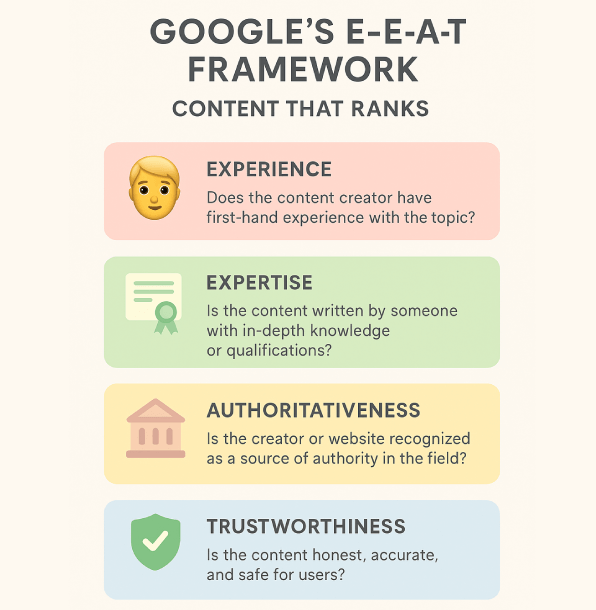
1. Experience Became More Visible
Google reinforced E-E-A-T in real application:
- Demonstrated experience
- Clear authorship
- Authority signals
- Trust indicators
Generic content is more vulnerable now. If a page feels mass-produced or templated, it’s easier for Google to filter it out. If a page demonstrates real-world insight and credibility, it’s more stable.
2. Surface-Level SEO Tactics Lost Power
Changing a publish date does not move rankings. Adding filler paragraphs does not move rankings.
Core updates reward meaningful upgrades:
- Clearer explanations
- Stronger formatting
- Updated examples
- Depth over volume
Google is getting better at recognizing effort.
3. User Experience Quietly Matters More
- Page speed.
- Mobile clarity.
- Clean navigation.
These aren’t just best practices anymore. They are stability signals during algorithm shifts.
The AI Layer: This Was Not a Surprise
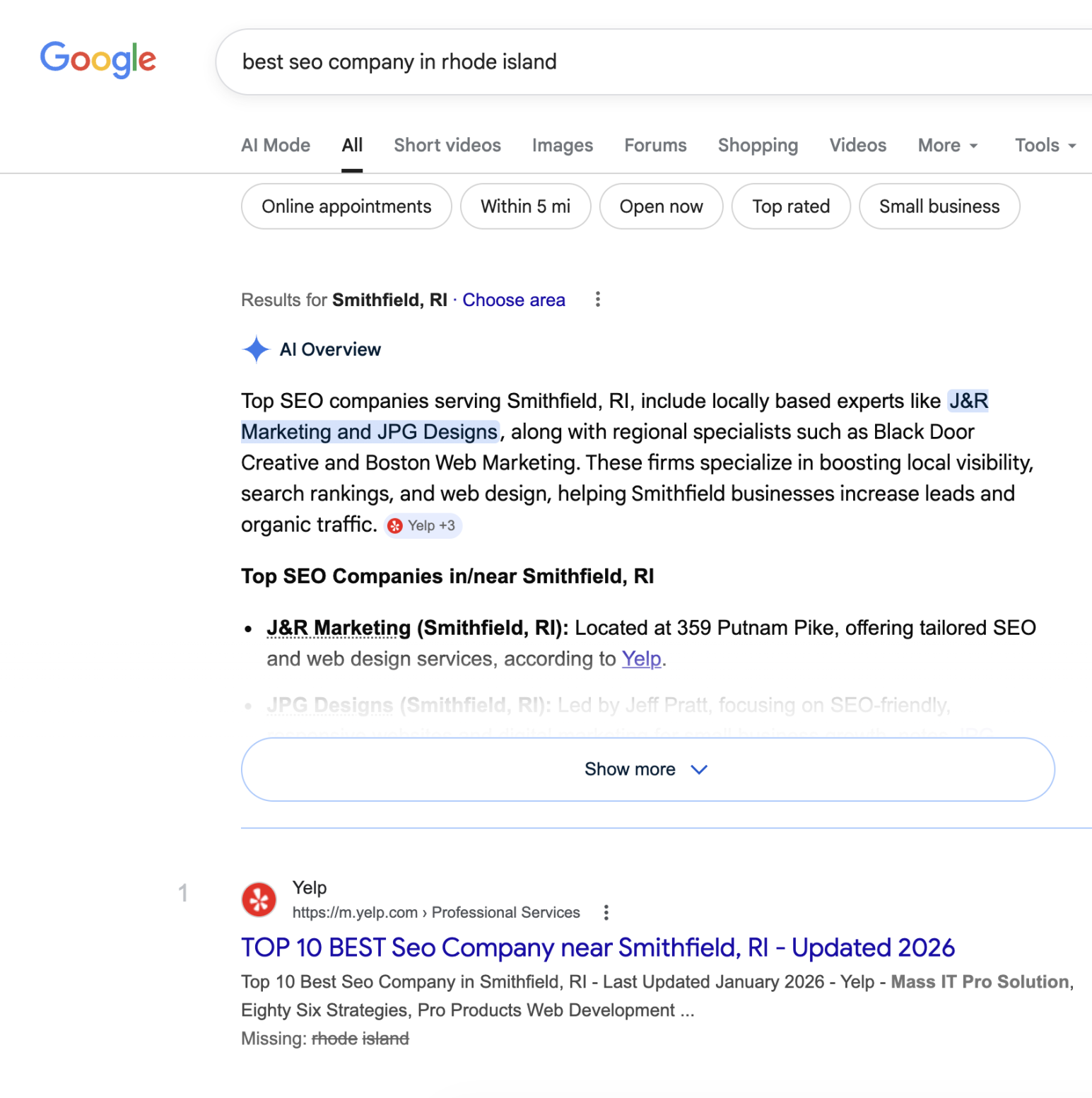
Now let’s talk about the part most people are just waking up to.
- AI Overviews.
- Gemini integration.
Search results that show AI summaries above traditional listings.
This didn’t happen overnight.
For months, I’ve been saying Google’s search results were slowly moving toward AI-generated summaries appearing above organic listings.
That is now reality.
If you search many commercial or informational queries today, you’ll often see:
- An AI-generated summary
- Follow-up prompts
- Structured answer blocks
- Before you even scroll to traditional results.
Anyone serious about SEO should have seen this coming.
We factored it in early by:
- Structuring content in Q&A format
- Writing clearer summaries
- Strengthening topical authority
- Building stronger brand credibility signals
SEO is no longer just about ranking #1.
It’s about:
- Being referenced inside AI summaries
- Being considered a trustworthy source
- Structuring content for machine readability
This update reinforced that direction.
AI is not replacing SEO. It is layering on top of it.
We Let the Dust Settle. Here’s the Bonus.
When Google rolls out a major core update, we don’t publish hot takes the next day. We let volatility settle. We watch patterns. We compare data over weeks, not hours.
The December 2025 Core Update needed time to fully reveal its impact.
Now that we’ve had enough runway to evaluate it properly, I can confidently grade it at 4.5 out of 5 in ranking impact.
But while that dust was settling, Google gave us another shift. So you’re getting a two-for-one breakdown.
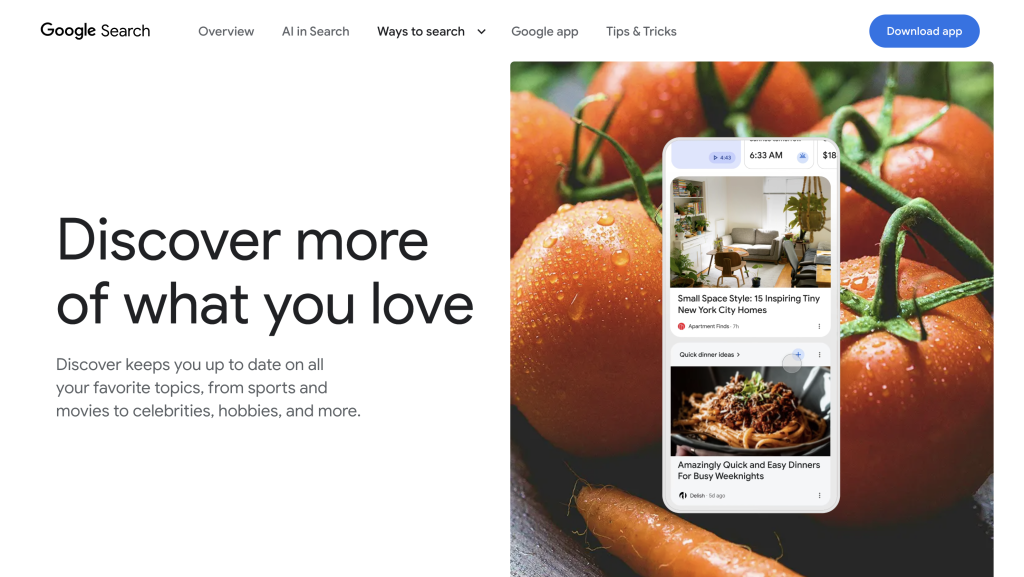
February 2026 Google Discover Update
Impact Score: 3 / 5
This one isn’t a traditional search ranking update. It specifically affects Google Discover. And that matters more than most small businesses realize. What Changed in Discover: Google adjusted how content gets surfaced inside Discover feeds.
Three major patterns stand out:
1. Stronger Local Relevance
Discover is leaning more into geography. Users are seeing more content relevant to their region and country. For Rhode Island and New England businesses, that’s an opportunity.
2. Less Clickbait
Overly hyped headlines are being filtered out more aggressively. Trustworthy, straightforward titles are being favored.
3. Depth Over Surface Content
Short, generic summaries don’t perform as well. Original insight and deeper topic coverage are being rewarded. This aligns perfectly with the direction we saw in the December Core Update.
- Consistency matters.
- Substance matters.
- Credibility matters.
What This Means for You
Here’s the practical breakdown.
What to Check
- Are you receiving traffic from Discover? Check in Search Console under Discover.
- Are your blog titles overly sensational?
- Is your content locally grounded?
What to Improve
- Add local context to blog posts where relevant.
- Strengthen headlines to be clear, not dramatic.
- Expand short posts into more comprehensive resources.
What to Avoid
- Writing for clicks instead of value.
- Publishing thin “trend reaction” posts without insight.
- Ignoring Discover as a traffic source.
What to Calculate
- Percentage of traffic coming from Discover vs organic.
- Engagement rates on content pieces.
- Time on page for informational blog posts.
What to Rethink
- Are you writing for Rhode Island readers or generic search traffic?
- Are your headlines designed to inform or just attract?
- Are you building authority or chasing impressions?
Why This Matters Long-Term
When you zoom out, the December Core Update and the February Discover Update are pointing in the same direction. Google is tightening its standards. Quality signals are stronger. AI is layered directly into search results. Local relevance is becoming more important. And surface-level tactics are losing power.
This isn’t a temporary shift. It’s an evolution of how search works.
If your business is building content from real experience, structuring it clearly, demonstrating credibility, and maintaining a clean user experience, you’re aligned with where search is going. If you’re chasing shortcuts, publishing mass content without depth, or relying on outdated SEO tactics, you’ll likely continue to feel volatility every time Google recalibrates.
The businesses that treat SEO as a long-term asset tend to stabilize and grow through updates. The ones that treat it like a checklist feel the swings.
Search is becoming more intelligent. More contextual. More experience-driven.
And that’s not something to fear. It’s something to build toward.
– Joe Russo